Screen Time Is Replacing Friend Time — And Your Brain Knows the Difference
Connection
Read time:
~5min
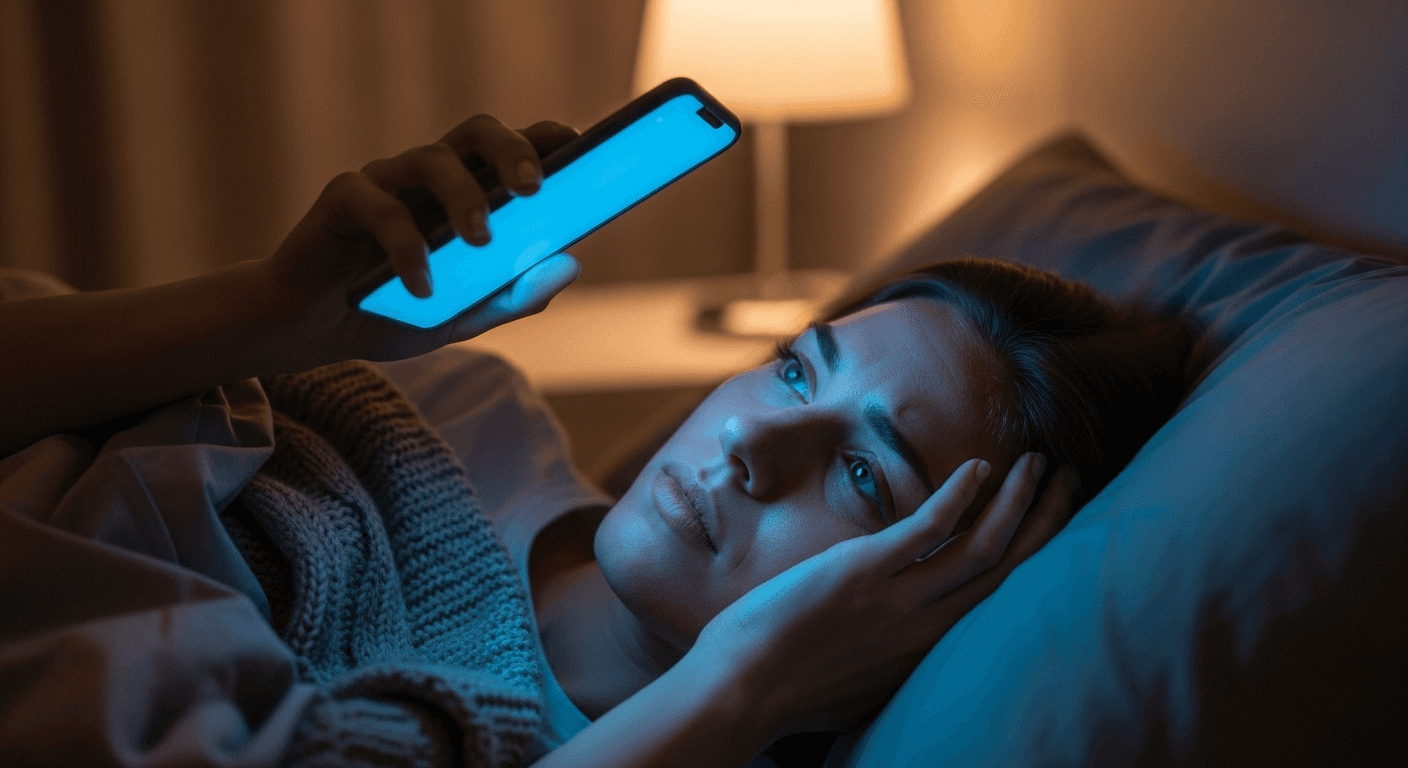
The average adult spends over four hours a day on their phone. In that same day, the average amount of meaningful, in-person social time? About 40 minutes.
We're giving ten times more attention to screens than to the people we care about — and we're wondering why we feel disconnected.
This isn't a lecture about putting your phone down. It's about understanding what your brain actually needs and why scrolling will never deliver it.
The Substitution Nobody Agreed To
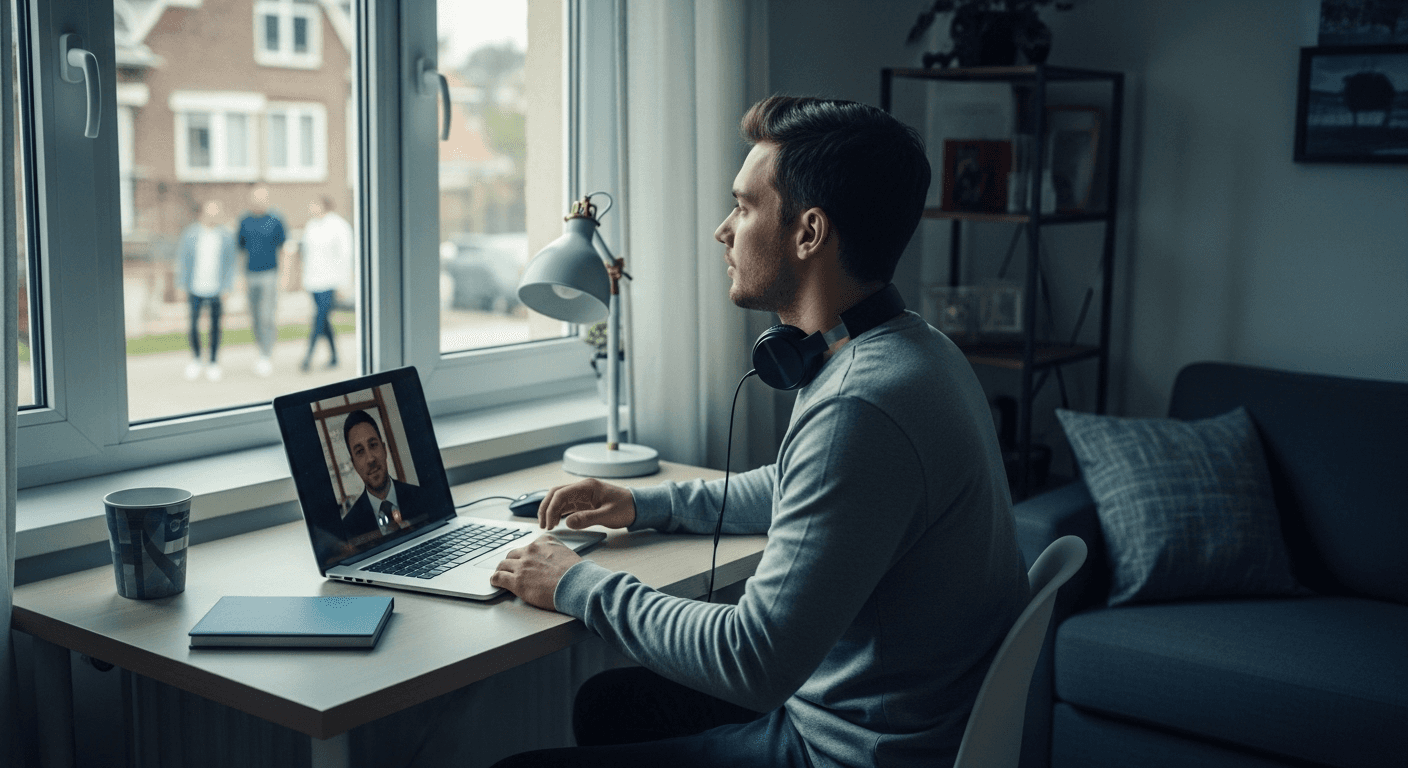
It happened gradually. First, social media made it easy to keep tabs on people without talking to them. Then messaging apps made it feel like you were having conversations without actually being present. Then streaming services made staying in more appealing than going out.
None of these are bad on their own. But stacked together, they created a lifestyle where you can feel socially active without ever leaving your couch — and that's the trap.
Your brain didn't evolve for this. It evolved for eye contact, shared laughter, physical proximity, and the neurochemical cocktail that only happens when you're actually with someone. No amount of texting, FaceTiming, or reacting to stories triggers the same response.
What Screens Give You vs. What Friends Give You
Screens deliver dopamine — the chemical of anticipation and novelty. Every notification, every scroll, every new piece of content gives you a tiny hit. It feels stimulating, but it's shallow. It leaves you wanting more without ever feeling satisfied.
In-person time with friends delivers oxytocin — the chemical of bonding and trust. It's slower, quieter, and deeper. It's what makes you feel safe, known, and genuinely connected. You don't get that from a screen. You get it from sitting across from someone and being fully present.
We've accidentally traded the thing that makes us feel whole for the thing that keeps us distracted from feeling empty.
The Evening Test
Here's a simple way to notice the pattern: think about your last five weeknight evenings. How many of them involved spending time with a friend in person? And how many involved a phone, a laptop, or a TV?
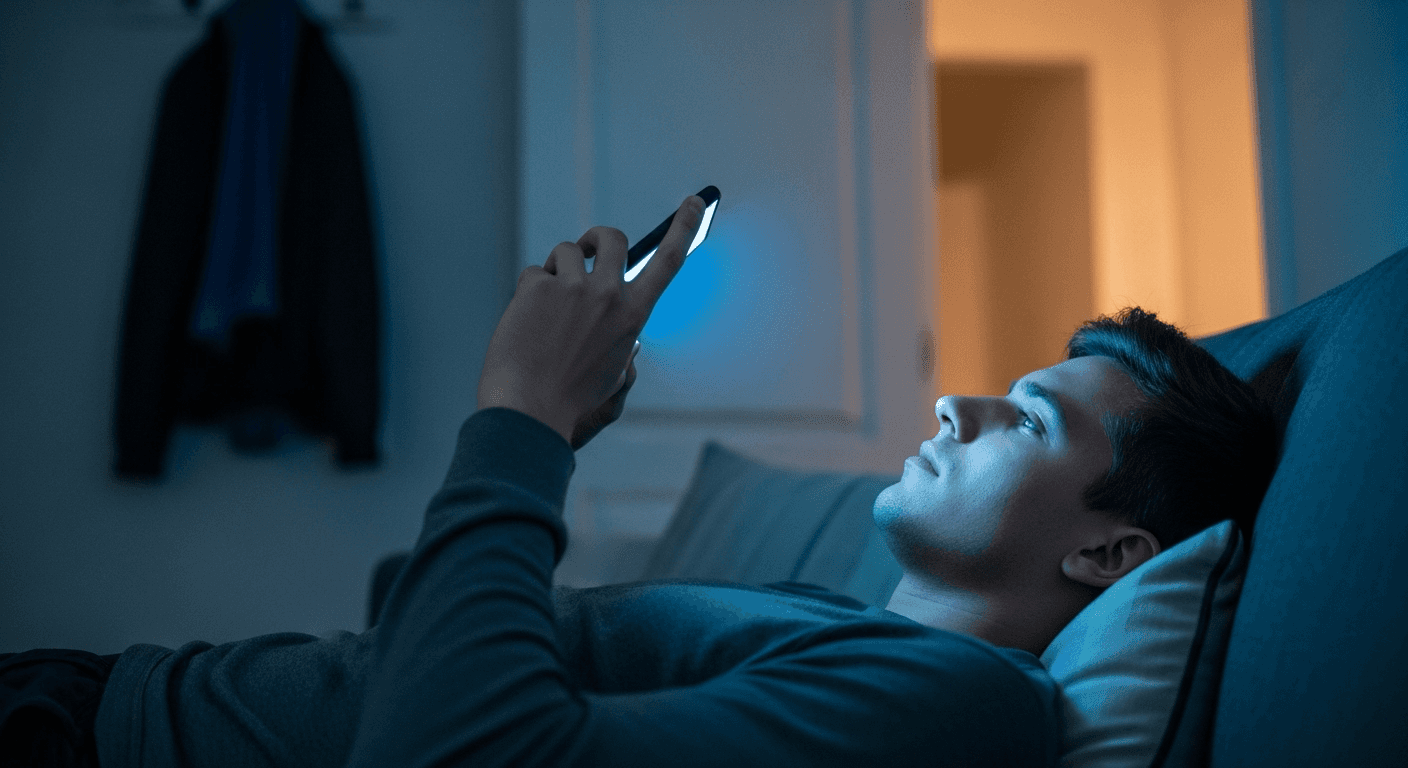
Most people discover the ratio is heavily skewed — and they didn't make a conscious decision for it to be that way. The screen just won by default, because it was easier. No coordination required. No commute. No energy expenditure.
But "easier" and "better" aren't the same thing. And your brain knows the difference, even when your habits don't.
How to Reclaim Friend Time
Replace one screen night with one friend night. You don't need to go cold turkey. Just swap one evening of solo scrolling for one evening with a person you actually like. Once a week. That's it.
Make the plan before the couch wins. The reason screens win most nights is because they don't require advance planning. By the time you think about calling a friend, you're already three episodes deep. Make the plan earlier in the day, before inertia sets in.
Leave your phone in another room during hangouts. If you're going to invest the time, be fully there. Half-present doesn't count. Your friends can tell when you're checked out — and so can your brain.
HangUp Puts Friends Back on the Schedule
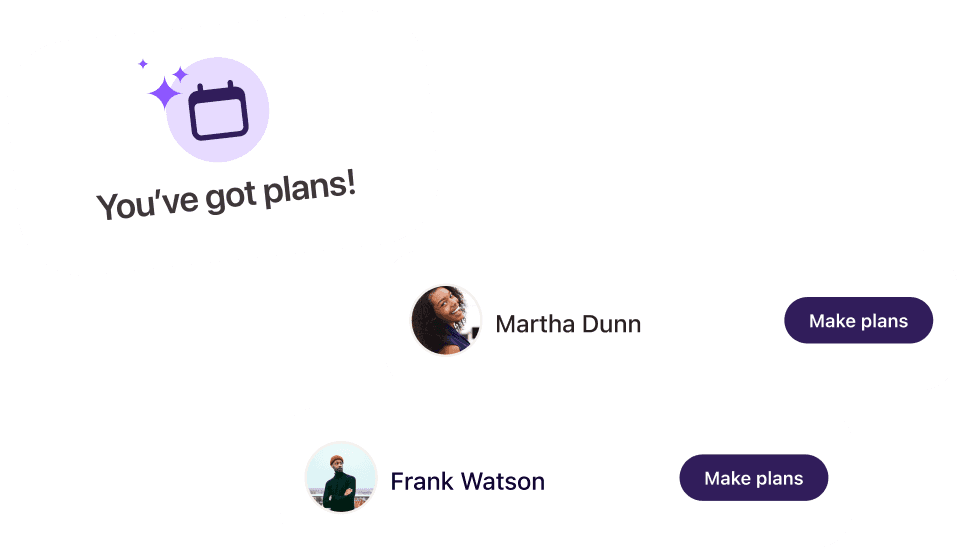
HangUp sends you a nudge before the couch has a chance to win. Our automatic plan matching reminds you it's time to see someone — and makes the planning so easy that the path of least resistance becomes hanging out, not staying in.
Because your phone will always be there. Your friendships won't wait forever.
The screen isn't going anywhere. But your friends might. Choose accordingly.
Join the waitlist for HangUp and start trading screen time for friend time.