The Real Reason You Keep Canceling Plans (It's Not Laziness)
Lifestyle
Read time:
~6min

You made the plan two weeks ago. You were genuinely excited about it. You even picked the place.
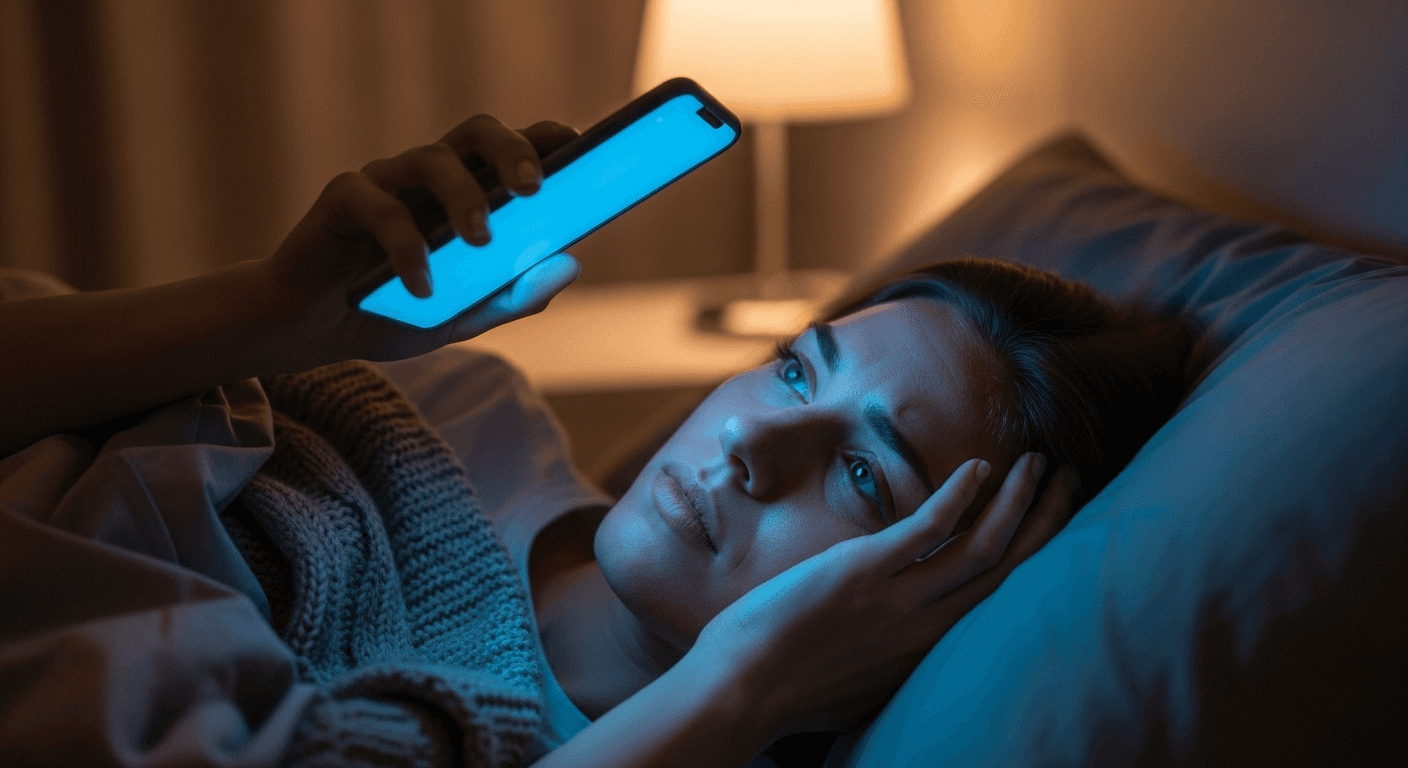
And now it's the day of, and every fiber of your being wants to cancel.
You're not sick. You're not busy. You just… don't feel like it anymore. So you send the text — "So sorry, something came up, can we reschedule?" — and immediately feel a confusing mix of relief and guilt.
If this cycle sounds familiar, you're far from alone. And no, it doesn't mean you're a bad friend.
The Anticipation Gap
There's a psychological phenomenon at play here, and it has a name: the anticipation gap. It's the disconnect between how you feel when you make a plan and how you feel when the plan arrives.
When you say yes to something days or weeks in advance, you're saying yes with your future energy. You're imagining a version of yourself who's well-rested, social, and ready to go. But the version of you who actually has to show up on a Wednesday evening after a long day at work? That person has different priorities — and the couch is winning.
This isn't laziness. It's a mismatch between the emotional state that made the commitment and the one that has to honor it.
The Comfort Trap
Canceling feels good in the moment. That's the problem.
The instant you send the "can't make it" text, the pressure lifts. You're free. No performance. No commute. No awkward small talk. Just your space, your rules, your evening reclaimed.
But here's what research consistently shows: people almost always underestimate how much they'll enjoy a social outing and overestimate how draining it will be. The version of the night you're imagining — the forced conversation, the social fatigue — rarely matches what actually happens.
What actually happens, most of the time, is that you show up, loosen up within ten minutes, and leave thinking I'm really glad I went.
The comfort trap keeps you home. But it doesn't keep you happy.
What Chronic Canceling Actually Costs You
Every time you cancel, the cost feels small. One missed dinner. One rescheduled coffee. No big deal.
But canceling is compound. Each one makes the next one easier. Each one widens the gap between you and the person you canceled on. Each one sends a quiet signal — not that you're a flake, but that the friendship isn't a priority. Even if that's not what you mean, it's what gets felt.
Over time, people stop asking. Not out of spite — out of self-preservation. They got tired of being the plan that didn't happen.
And that's when the loneliness creeps in. Not all at once, but slowly — through a series of canceled plans that each seemed insignificant on their own.
The Fix: Smaller Plans, Sooner
The cure for chronic canceling isn't discipline. It's design.
Make plans closer to the moment. The further out a plan is, the more likely future-you will want to bail. Plans made a day or two in advance — or even same-day — have a dramatically higher follow-through rate because the version of you saying yes is the same version who has to show up.
Shrink the commitment. "Let's grab dinner Saturday" carries more weight than "want to walk for 30 minutes tomorrow?" The smaller the plan, the less resistance you'll feel when the time comes.
Stop giving yourself the out. When the urge to cancel hits, try a personal rule: show up for 30 minutes. If you genuinely aren't feeling it after that, you can leave. Nine times out of ten, you'll stay.
How HangUp Helps Break the Cycle
HangUp was built with the canceling problem in mind. Our automatic plan matching sends nudges based on your schedule and preferences — so plans happen at the right time, not two weeks from now when your enthusiasm has faded. Pro users can spin up instant plans on the spot, cutting the anticipation gap down to almost nothing.
Because the best plans aren't the ones you agonize over. They're the ones that happen before you have time to talk yourself out of them.
Stop canceling on the people who matter. Start making plans you'll actually keep.
Join the waitlist for HangUp and build a social life that works with your energy, not against it.