Third Places Are Disappearing — Why Your Friendships Are Paying the Price
Connection
Read time:
~6min
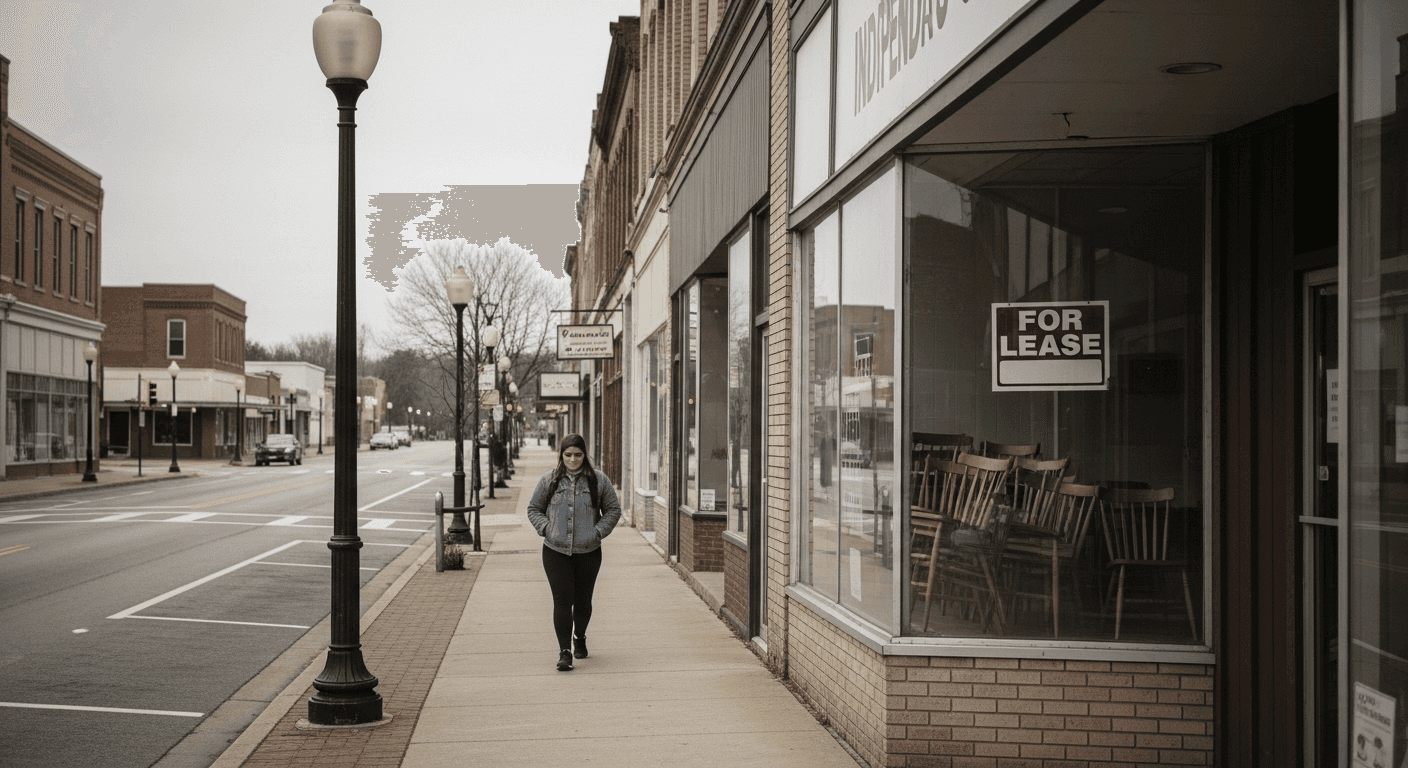
There used to be a place between home and work where you could just be. A coffee shop where the barista knew your name. A neighborhood bar with regulars who became friends. A community center, a bookstore, a park bench where the same people showed up every afternoon.
Sociologist Ray Oldenburg called these "third places" — and they were the invisible infrastructure of adult friendship for generations. They're disappearing. And we're feeling the loss in ways we don't always recognize.
What Third Places Actually Did
Third places weren't just locations. They were social engines. They solved the three hardest problems of adult friendship simultaneously:
Proximity. You didn't need to coordinate schedules or make plans. You just showed up, and other people were already there.
Repetition. Going to the same place regularly meant seeing the same faces. Acquaintances became friends through sheer accumulation of low-stakes contact.
Low pressure. Nobody was performing. There was no guest list, no RSVP, no expectation. You could stay for ten minutes or three hours. The vibe was ambient, not organized.
This combination — proximity, repetition, and low pressure — is exactly what friendship researchers say adults need to form and maintain bonds. And third places delivered it almost effortlessly.
Why They're Vanishing
The decline of third places has been driven by a handful of forces that all hit at once.
Remote work eliminated the office — which, love it or hate it, functioned as a third place for many people. The watercooler, the lunch spot, the after-work drink. Gone.
Rising costs turned coffee shops and bars from places you could linger into businesses that need you to order or leave. The $7 latte economy doesn't encourage "just hanging out."
Smartphones made it possible to fill every idle moment with content, removing the boredom that used to drive people out of the house and into shared spaces.
Suburban sprawl continued to spread people further apart, making walkable, communal spaces rarer in the places where most people actually live.
The result? Adults now spend more time alone in their homes than at any point in modern history. And the casual, organic social contact that used to happen by default now has to be deliberately engineered.
What We Lost Without Realizing It
When third places disappear, friendships become entirely dependent on planning. Every interaction requires an invitation, a confirmation, a time, a place, and enough mutual motivation to make it happen.
That's a lot of friction for something that used to happen by accident.
The result is predictable: people see their friends less, not because they care less, but because every hangout now requires the kind of logistical effort that used to be reserved for dinner parties. The casual "running into each other" that used to seed and sustain friendships is almost gone.
Creating Your Own Third Place Effect
You can't single-handedly bring back the neighborhood coffee shop culture. But you can recreate the conditions that made third places work:
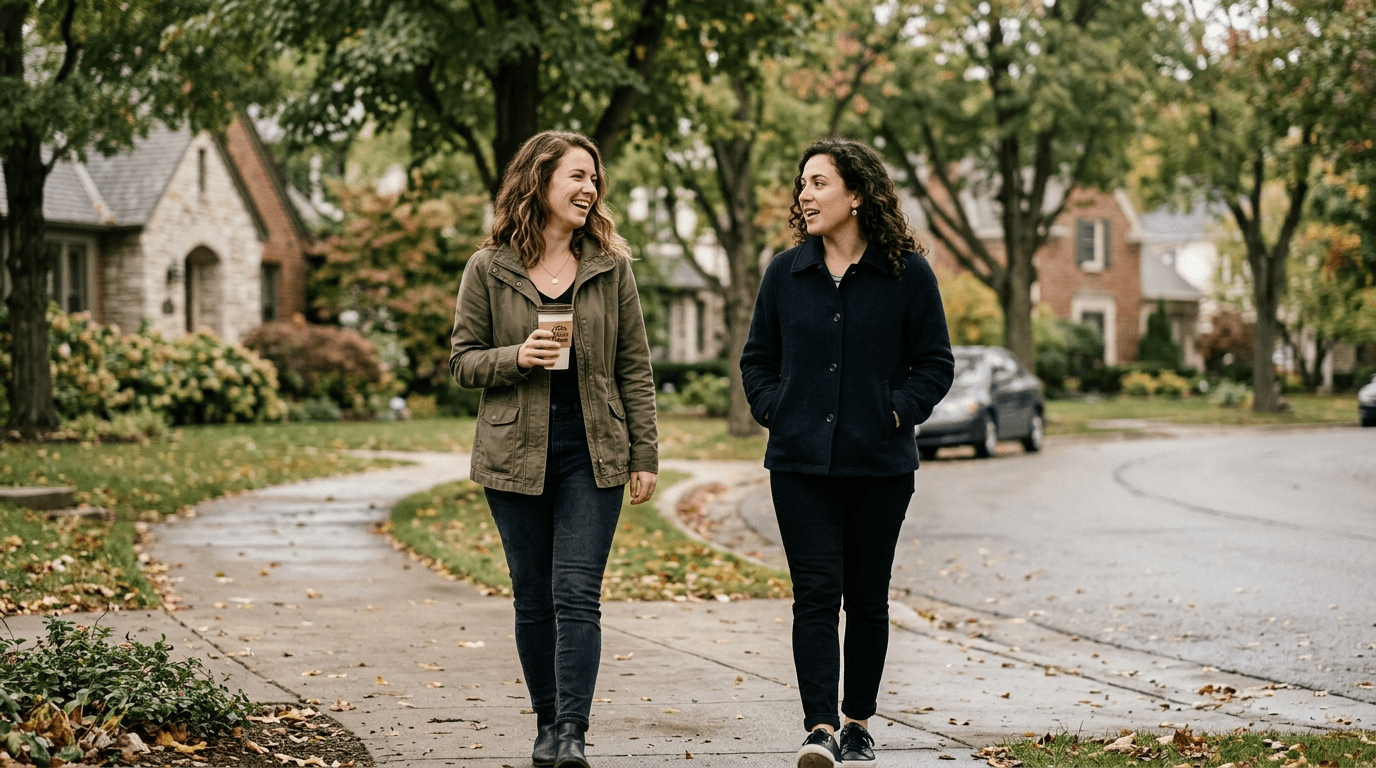
Establish a recurring hangout. Same time, same place, every week or two. A standing Tuesday coffee. A Friday evening walk. The consistency creates the repetition effect that third places used to provide.
Keep it open-ended. Don't over-structure it. The beauty of a third place was that you could show up and leave without it being a thing. Apply that same energy to your recurring plans.
Make it easy to join. Lower the bar for attendance. "No pressure, just come if you can" removes the commitment anxiety that kills plans before they start.
HangUp: The Digital Third Place
HangUp can't replace your local coffee shop — but it can replace the social function it served. By matching you with friends on a regular cadence and removing the friction of planning, it recreates the consistency and ease that third places used to provide. Set your frequency, let the nudges do the work, and watch your in-person time increase without the logistical headache.
Because the places that used to bring people together are fading. The friendships don't have to.
You don't need a third place to have a thriving social life. You need a system that makes showing up as easy as it used to be.